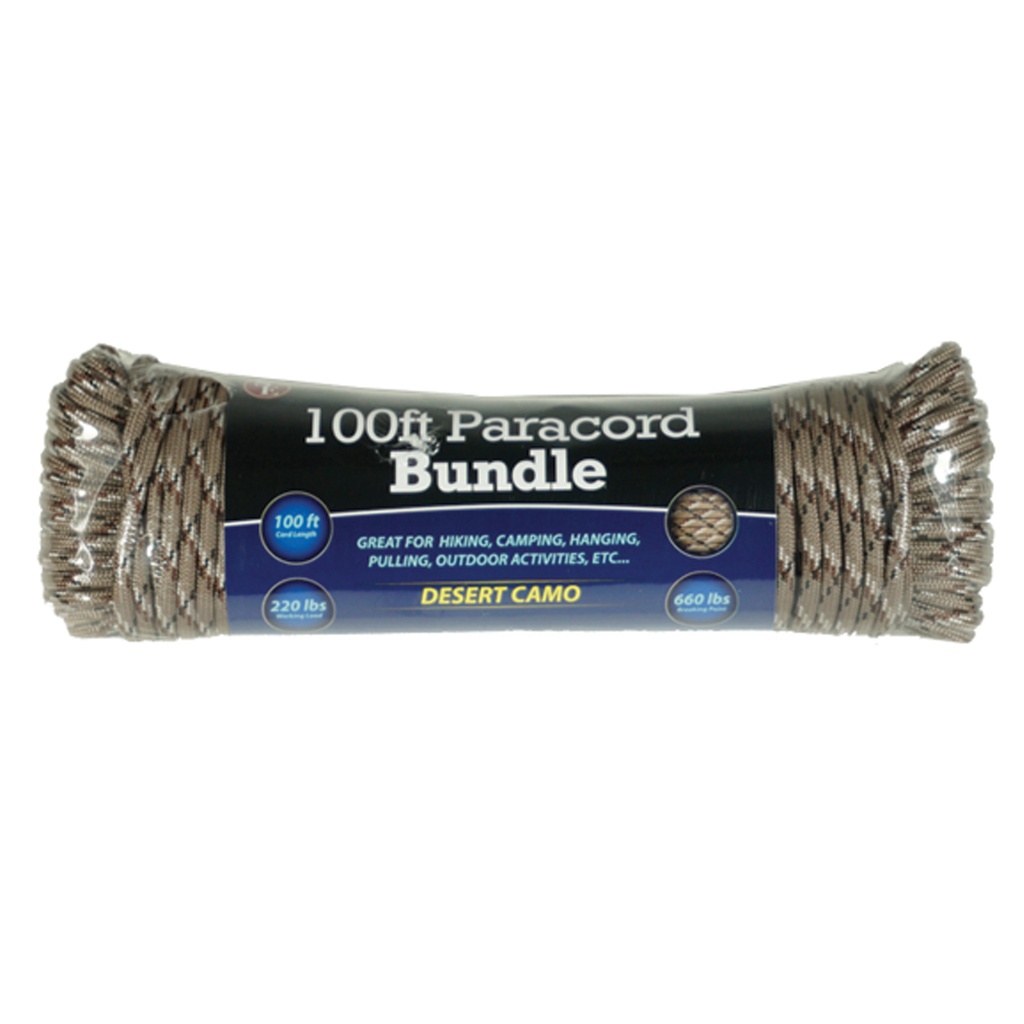
Dustline Recon Survival Paracord - Desert Tan
You’re out past the trailhead when something always gives—a strap, a line, a plan. That’s when your survival paracord stops being “extra” and becomes the only reason camp still comes together. This desert‑tan 7‑strand line runs smooth through your fingers, bites clean in a knot, and disappears against sand, rock, and dust. You don’t brag about it. You just fix the thing, hang the load, rig the shelter, and let everyone believe you’re the one who never gets caught unprepared with real survival paracord.
You notice it the first time something fails far from the parking lot. A strap pops. A zipper gives up. The wind decides your tarp is its new plaything. Everyone else starts improvising with hope and half‑broken buckles. You reach into your pack, feel the familiar coil of survival paracord, and know—this isn’t the day you get caught unprepared.
When Survival Paracord Turns a Problem into a Non‑Event
Out on hot rock or dusty trail, the difference between a story you laugh about later and a night you endure is often one simple thing: did you bring real, load‑bearing cordage or just whatever twine happened to be around? When you carry dedicated survival paracord, problems stop feeling like emergencies and start feeling like puzzles you already know how to solve.
This 100‑foot coil quietly waits at the bottom of your pack until something gives. A sagging hammock line becomes a clean, tight suspension. A flapping tarp turns into a low, wind‑cutting shelter. A busted pack strap becomes a solid, trustable lash‑up. At 5/32" thick with a smooth woven sheath and seven inner strands, this isn’t pretty string—it’s the backup plan you don’t have to think about.
The desert‑tan camo doesn’t shout for attention; it blends into sand, scrub, and sun‑baked rock. Your fix doesn’t look like a bright emergency patch job. It looks intentional—like you built it that way from the start.
Why This Survival Paracord Feels Different in Your Hands
You can tell a lot about cord by how it moves through your fingers. Cheap line feels waxy or fuzzy, fights your knots, and frays the first time you load it. Quality survival paracord feels like a tool—clean, consistent, predictable under tension.
Here, the outer sheath is tightly woven and smooth, so it slides easily through tarp grommets, pack hardware, and even gloved hands. When you cinch a trucker’s hitch or tie a quick bowline, the knot sets with a satisfying bite instead of that sketchy, slipping feeling. You can untie it later without a wrestling match, even after it’s been under load.
Inside, seven individual strands sit at the core. That 7‑strand build is the difference between “string that looks strong” and actual strength you can lean on—around 220 pounds of working load with break strength up around 660 pounds. In real terms, that means you trust it for gear hangs, shelter rigs, guy lines, drag lines, and camp tasks without flinching every time the wind gusts.
And if you ever need more than one line? Those inner strands can be pulled and used separately for lighter tasks—fishing leaders, snares, quick‑fix sewing—while the sheath stays useful on its own. One coil, multiple quiet solutions.
Carrying Survival Paracord Without Feeling Like You’re Hauling Rope
You’ve probably seen people overpack cordage that never gets used because it’s bulky, tangled, or annoying. The best survival paracord doesn’t get left behind; it disappears into your carry so completely that bringing it becomes automatic.
This 100‑foot bundle hits that sweet spot. Long enough to rig camp, lash a load, and still have spare line—but compact enough to tuck into a side pocket, glovebox, or go‑bag. The factory hank is tight and consistent, so it drops cleanly into a pack without exploding into a tangle the first time you pull a few feet free.
The ends are heat‑fused and slightly flared, which sounds small until you’re trying to feed cord through a tight loop by headlamp. That tiny flare gives your fingers something to find, something to push. It’s the kind of detail you only notice because it makes things quietly easier.
How It Moves Through Your Everyday
In a hiking pack, it becomes an automatic habit: every camp, you run a ridgeline with the same fluid, practiced motion. In a truck, it lives in the door pocket and handles last‑minute tie‑downs when the hardware store trip gets ambitious. In a bug‑out or get‑home bag, it’s the line you don’t have to second‑guess when you’re tired, stressed, and just need something that works.
Over time, it stops feeling like cord and starts feeling like competence you can hold in your hand.
When Survival Paracord Makes the Difference You Feel Later
Most days, your survival paracord won’t be about dramatic rescues. It’s about dozens of tiny saves that never turn into problems. The clothesline that keeps wet gear off the dirt. The makeshift dog leash when your actual leash disappears into the chaos of camp. The temporary gate latch you rig in seconds because the hardware failed and you’re already late.
In the desert, that soft, sun‑matched tan matters more than you’d think. Your shelter lines don’t broadcast your setup from a distance. Your food hang doesn’t flash like a flag. Everything stays visually quiet, your camp blending into rock and scrub instead of screaming for attention.
The Scene You’ll Recognize
Picture a hot, still evening. The sun’s dropping, the air finally losing its edge. Wind slips in low and mean, and your tarp starts snapping like it wants to go airborne. You say nothing. You just pull out your desert‑camo line, tighten your guy points, add a couple of mid‑panel tie‑outs, and sit back down. No drama, no scramble—just a shelter that suddenly feels like it was built for this exact place.
Questions People Ask Before Buying Survival Paracord
Is this survival paracord strong enough for everyday outdoor use?
For most camping, hiking, and general outdoor tasks, yes. This survival paracord carries a working load around 220 pounds and a break strength near 660 pounds, which covers gear hangs, tarps, ridgelines, and tie‑downs easily. You won’t use it for climbing your own body weight, but for daily camp work, it feels solid and trustworthy.
What can I actually do with survival paracord in the desert?
With this desert‑tan survival paracord, you can rig shade shelters, guy out tents against gusty winds, lash awkward loads to a rack, make improvised lanyards, repair pack straps, and even pull inner strands for lighter cordage jobs. The camo pattern blends into sand and rock, so your fixes and set‑ups stay visually quiet instead of standing out.
Will this survival paracord tangle or fray quickly?
The tight sheath and clean 7‑strand core help it feed smoothly and resist early fraying. If you coil it with even a little care, this survival paracord pays you back by staying manageable instead of turning into a bird’s nest. The fused ends keep strands from ballooning out, even after repeated use.
Is 100 feet of survival paracord really enough?
For most single‑person kits, yes. A 100‑foot hank of survival paracord is usually enough to run a solid ridgeline, stake out a tarp, and still have extra for gear repairs and tie‑downs. If you like building more elaborate camps or running multiple setups, two hanks give you a generous margin while still packing small.
The Moment You Realize It’s Part of Your Kit, Not Just Your Gear
The first time you uncoil this desert‑tan survival paracord, it’s just another piece of equipment. You cut a length, tie off a shelter, lash down a load. But somewhere between the third quick fix and the fifth small crisis you quietly sidestep, you stop thinking of it as “cord” and start thinking, instinctively, “I’ve got this.”
There’s a small satisfaction in knowing your setup doesn’t rely on luck. Your tarp stays put. Your gear hangs clean. Your camp doesn’t look like a tangle of neon lines and last‑minute patches. You move through the desert—or the parking lot, or the backyard—like someone whose plans don’t fall apart when a cheap strap snaps.
That’s what this line really gives you. Not just 100 feet of strong, camo‑patterned survival paracord, but the steady, quiet confidence of a person who’s already thought one step ahead—and packed the answer in their bag.