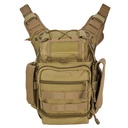
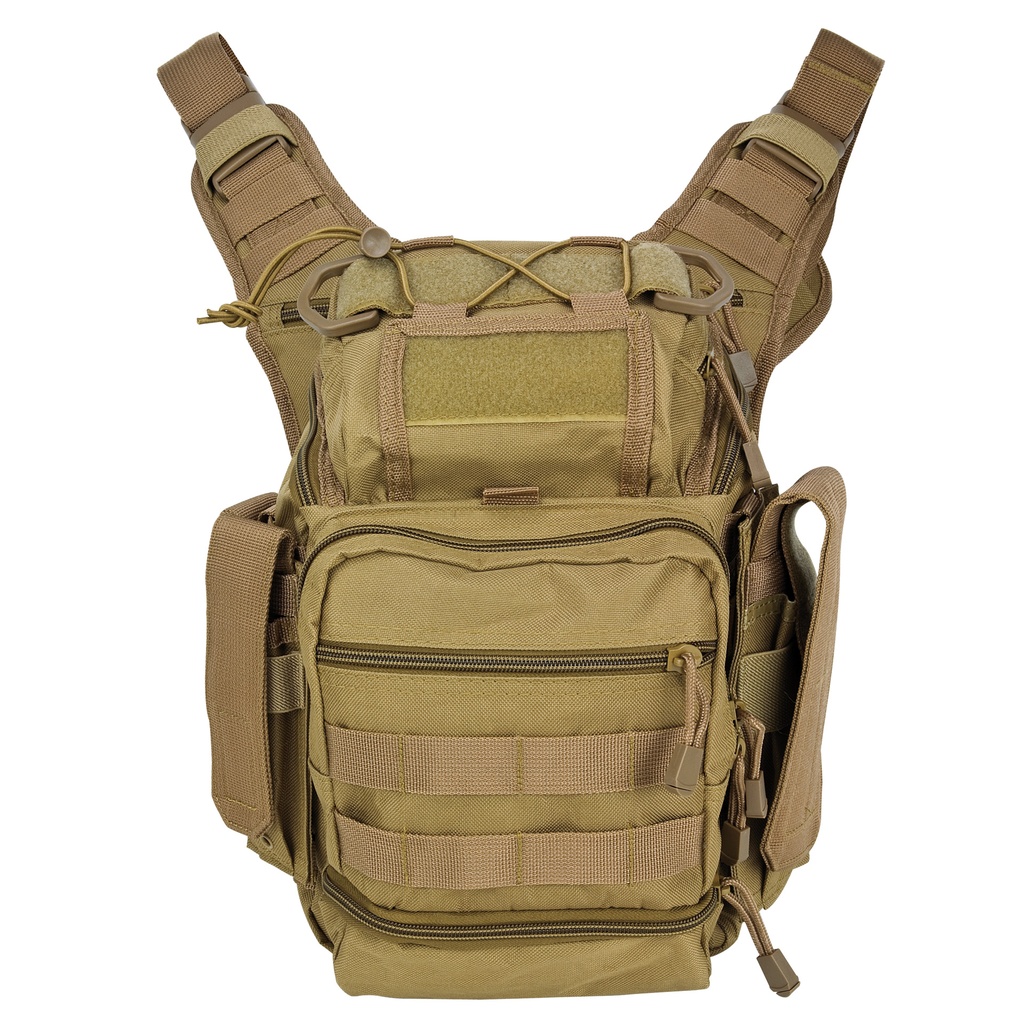
Matrix Ready-Response First Responder Bag - Coyote
You know that moment when everyone looks around and you’re the one who actually has what’s needed? That’s what a tactical first responder bag quietly does for you. The coyote sling rides high, hugs close, and gives your hands exactly what they reach for—med kit, mags, light, radio—without thinking. Zippers land where muscle memory expects. Mesh backing breathes, the strap doesn’t bite, and your layout stays locked-in from patrol to range day. You don’t carry more gear. You carry more control.
You’ve been here before: the moment goes sideways, people scatter, and suddenly every second feels louder. You don’t rise to the occasion—you fall to your level of preparation. And that’s where a tactical first responder bag stops being “gear” and starts being the quiet system that keeps your hands moving while everyone else is still thinking.
How a Tactical First Responder Bag Changes What You Do in the First 30 Seconds
When things break bad, you don’t want to remember which pocket holds what—you want your hands to find it. A tactical first responder bag like this one is built around that single idea: your next move should feel automatic. Seven compartments mean everything has a lane, from trauma supplies to tourniquets, from spare mags to gloves. The vertical layout rides high on your torso so you can swing it forward, rip open a zipper, and be inside your kit in one motion.
The MOLLE/PALS webbing isn’t there for looks; it turns the bag into a customizable panel you can tailor to your role. Running a range? Add an extra mag pouch. Doing volunteer medical standby? Clip on a dedicated IFAK. The bag becomes your layout board—your system, your way, locked in place long before you ever need it.
Why This Tactical First Responder Bag Feels Like a System, Not Just a Sling
You’ve carried bags that swallowed gear into one big dark pocket. This tactical first responder bag does the opposite. The large front compartment opens wide so you can stage items by priority, not just by size. Behind that, smaller zip pockets catch all the things that usually float loose—shears, gloves, pens, markers, notepad—so they’re never buried under hardware.
Up top, the smaller compartment with hook-and-loop panel feels deceptively simple until you start using it. That loop field takes your patches, ID, or blood type label, so when you set the bag down in a busy environment, it still “belongs” to you at a glance. The shock cord lacing across that pocket becomes the quick stash for a folded shemagh, tourniquet, or gloves—items you want to grab with one wet, gloved hand without fighting a zipper.
The side pouches look modest, but they quietly solve a real problem: where do you put the radio, flashlight, or multi-tool that needs its own home? Slide them there once, and they stay there. No more digging through the main compartment for the thing you use every five minutes.
Carrying a Tactical First Responder Bag All Day Without Thinking About It
Field gear only matters if you’re willing to actually carry it. This tactical first responder bag is built to disappear until you need it. The padded shoulder strap is wide and forgiving, so the weight spreads instead of biting into one spot. You can cinch it tight across your chest for a dynamic environment or loosen it to ride as an easy shoulder carry on calmer days.
The breathable mesh backing looks like a small detail until you’ve been on your feet for hours. Instead of slick fabric trapping heat and sweat, the mesh lets air move between you and the pack. That means your shirt doesn’t feel plastered to your back, and you’re more likely to keep this bag on instead of tossing it aside when things get uncomfortable.
Because it’s a compact tactical sling-style layout, it stays high and centered, not flopping at your hip. Moving through doorways, climbing into vehicles, or working around patients or targets, you’re not constantly bumping into your own gear. The bag moves with you instead of against you.
When a Tactical First Responder Bag With Concealed Carry Pocket Makes the Difference
There are days when a simple backpack is enough. And then there are days when you need a tactical first responder bag with a concealed carry pocket quietly built into the back. The rear compartment is positioned against your body—out of sight, protected, and ready if your personal defense plan includes a sidearm.
That same space can serve different lives: off-duty security work one night, range-day pistol storage the next, or a low-profile pocket for documents and valuables when you’re traveling. The point isn’t just that the pocket exists—it’s that it gives you options without advertising them. You decide what lives there; the bag simply keeps it close and discreet.
Hook-and-loop zones inside and out invite organization that feels like you. Slot in a holster insert, med panel, or admin organizer. Instead of you adapting to the bag, the bag shapes itself around your habits and priorities.
Questions People Ask Before Buying a Tactical First Responder Bag
Will this tactical first responder bag actually keep me organized under stress?
Organization under stress comes from repetition, not magic. This tactical first responder bag helps because its seven compartments, MOLLE webbing, and dedicated pouches let you build a consistent layout. Once you’ve loaded it the same way a few times, your hands learn the map. When things go wrong, you’re not hunting—you’re just reaching.
Is a tactical first responder bag comfortable enough for everyday carry?
If a bag hurts, you leave it at home. The padded shoulder strap and breathable mesh backing are what make this tactical first responder bag realistic for daily carry. It rides high and tight, stays out of your way, and doesn’t turn your back into a sweat patch. That’s what makes it believable as part of your everyday carry, not just a “special occasion” pack.
Can I actually use this as both a range bag and a medical response bag?
Yes, and that’s where the tactical first responder bag really shines. The MOLLE/PALS webbing and hook-and-loop areas let you build a med-focused loadout for one role and a more range-focused layout for another. You can swap pouches, rearrange panels, and keep the same familiar platform whether you’re packing tourniquets or magazines.
Is a tactical first responder bag like this legal to carry everywhere?
The bag itself is just a tactical first responder bag—no law targets the pack. What matters is what you choose to store inside it. Med gear, tools, lights, and admin supplies are generally fine anywhere. Firearms, knives, and certain EDC items depend on your local laws, so it’s smart to check regulations for concealed carry and blade length where you live or work.
How does this compare to a regular backpack for everyday carry?
A regular pack is a big bucket. A tactical first responder bag is a mapped-out workspace. If you just need to haul clothes or a laptop, a backpack works. If you want fast access to specific tools—med, mags, radio, flashlight—this sling-style layout with MOLLE and dedicated pockets keeps everything staged and reachable without taking the whole bag off.
The Moment This Tactical First Responder Bag Becomes Part of Who You Are
Picture the first time you load it out on your table. You lay gear down in small, intentional piles: med here, mags there, light, gloves, radio, notebook. One by one, each piece finds its pocket in your tactical first responder bag until the chaos becomes a system that lives on your shoulder.
A week later, something happens—a call, a shout, a crack in the normal. Your hand hits the strap, swings the bag forward, and the zippers are right where you expect them. You’re not rummaging. You’re moving. People around you might see a coyote sling pack and some calm in your face. You’ll know it’s more than that. It’s the quiet difference between hoping you’re ready and knowing you’ve already built that readiness into the way you carry your life.