Storm-Safe Rapid-Deploy Emergency Tent - Signal Orange
You don’t plan to get caught in the storm—you plan to walk out of it. A compact emergency tent like this lives in your pack, trunk, or go-bag until the sky flips and you need real shelter now. You sling the rope, pull it into an A-frame, and that signal-orange tube snaps into place. Rain beads off the polyethylene, sparks don’t scare it, and you feel that quiet click of relief: you were ready.
The forecast said “light showers,” but that sideways wind on your neck is saying something else. Trees are starting to thrash, temperature drops fast, and suddenly the trail you’ve walked a dozen times doesn’t feel familiar at all. There’s that moment—maybe ten seconds long—where you realize this isn’t about making good time anymore. It’s about getting out of the weather. That’s the moment a rapid-deploy emergency tent stops being gear and starts being a decision you already made.
Why a Rapid-Deploy Emergency Tent Changes That One Bad Day
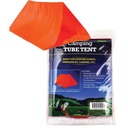
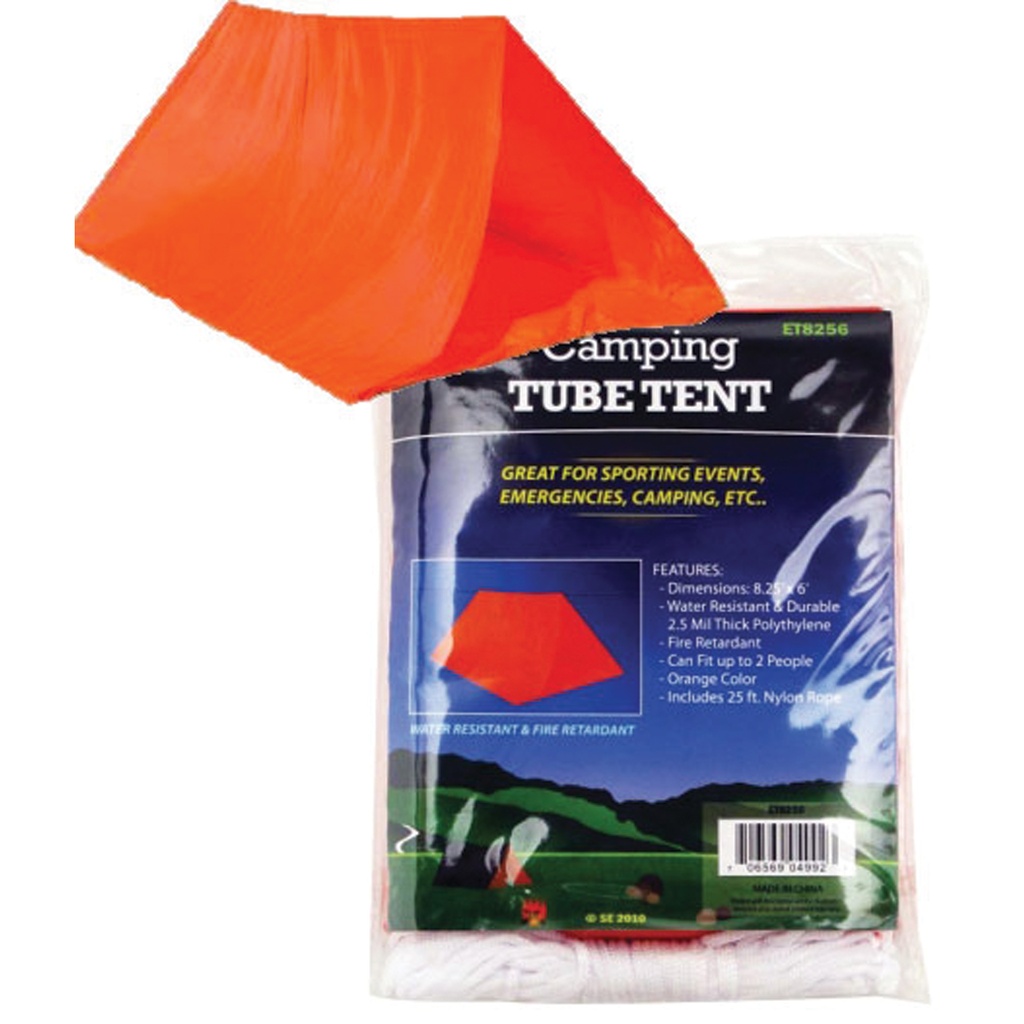
When conditions turn, you don’t want options—you want instincts. A rapid-deploy emergency tent lets you skip the mental checklist and go straight to action. You pull a pocketable pouch from your pack or glove box, unroll eight feet of signal orange polyethylene, string the included 25-foot rope between two points, and throw an A-frame over it. In under a minute, you’ve turned open exposure into a two-person shelter with a bright, high-visibility skin that practically shouts your location.
Owning an emergency tent like this means that instead of standing in the rain wondering what to do next, you already know. Your hands have done it before. The material is simple, tough 2.5 mil polyethylene—not glamorous, but honest. It shrugs off sudden rain, wind, and even stray sparks. You’re not building a campsite mansion; you’re building a barrier between you and hypothermia, you and fear, you and that creeping thought of “I should have packed something.”
How This Rapid-Deploy Emergency Tent Is Built to Be There When You Need It
On paper, this looks straightforward: two-person tube tent, 8.25 x 6 feet, polyethylene, fire-retardant, water-resistant, rope included. In real life, those details stack into one thing: reliability. The tube tent design means you’re not wrestling poles or memorizing color-coded sleeves when your fingers are already cold. You’re pulling a shaped sheet over a tensioned rope and stepping inside.
The 2.5 mil polyethylene isn’t just a throwaway plastic sheet; it’s thick enough to block wind and shed water, but light enough to ride in a go-bag or vehicle kit without a second thought. Fire-retardant treatment means you don’t spend your night worrying about every stray ember from a nearby emergency fire. Water resistance means that when the clouds dump, you’re under cover, listening to the noise instead of wearing it.
Signal orange isn’t an aesthetic choice—it’s a rescue choice. In daylight, that color pops against tree lines, rock fields, and snow. At dusk, it catches the last usable light. If someone is looking for you—from a ridge line, a trail, or a helicopter—you’ve turned yourself from “hard to see” into “almost impossible to miss.” That’s what a good emergency tent does: it makes you visible while keeping the worst of the storm off your back.
Where a Rapid-Deploy Emergency Tent Quietly Lives in Your Life
The best emergency shelter is the one you forget about until you need it. This rapid-deploy emergency tent is built to disappear into your routine: bottom of a daypack, in the side pocket of a trunk organizer, tucked into a sports bag under the stadium seats, living at the edge of a garage shelf in a family go-bag. It doesn’t demand space or attention. It just waits.
Out on a casual hike that runs longer than planned? You’ve got a tube tent in your pack that turns an exposed ridge into a windbreak. Stuck in your car during a roadside breakdown on a cold night? You’ve got a bright, insulating shelter you can string between doors, a tree, or a signpost. Tailgating or watching a kid’s game when the weather suddenly sours? You have a quick, dry refuge while everyone else is improvising with trash bags and blankets.
Once you’ve set up a rapid-deploy emergency tent once or twice, the muscle memory stays. You know how tightly to pull the rope to get a clean A-frame. You know how far to spread the footprint so two people can sit or lie down without fighting for space. You know how it sounds when the rain hits the polyethylene roof and you’re inside, not out.
When a Rapid-Deploy Emergency Tent Makes the Real Difference
Most days, this shelter will be quiet insurance. But there’s a different day you’re really buying for. The day the weather shifts fast on a backcountry trail. The night a planned drive home turns into a roadside wait. The time a planned campout suddenly feels more serious than fun. A rapid-deploy emergency tent is the line between “we toughed it out” and “we had a real problem.”
You feel the difference in the details: instead of huddling under a tree with a wet jacket, you sit inside a bright, dry envelope of polyethylene. Instead of your kids asking if you’re going to be okay, they’re sitting shoulder to shoulder inside a little orange cave, listening to the storm, maybe even laughing. Instead of trying to sleep in a cold, open car, you’ve created a defined, warmer pocket of space that feels like a plan, not an accident.
This isn’t about camping prestige or collecting one more piece of gear. It’s about knowing that when the moment comes where you have to make a call—stay exposed or make shelter—you’ve already decided. You’re the person who carries a real emergency tent, not someone improvising with what’s left in the bottom of a backpack.
Questions People Ask Before Buying a Rapid-Deploy Emergency Tent
Will this emergency tent actually hold up in real weather?
For an emergency tent, durability comes from smart use, not brute force. The 2.5 mil polyethylene is strong enough to shed wind and driving rain when properly pitched, and the tube design reduces stress points. It’s not a long-term expedition tent, but for storms, surprise overnights, or roadside shelter, it holds up exactly the way you need it to.
Is a rapid-deploy emergency tent hard to set up alone?
Once you’ve practiced once, setup feels almost automatic. You tie or loop the 25-foot rope between two anchor points—trees, posts, roof racks—then drape the tube tent over it into an A-frame. You adjust the angle to block wind, and you’re done. Even cold hands can manage it in under a couple of minutes when it counts.
How is this different from just carrying a space blanket or poncho?
A poncho or space blanket keeps rain off your body; a rapid-deploy emergency tent creates a small, enclosed space. That enclosure traps more warmth, blocks wind, and gives you a defined shelter you can share with another person. Instead of standing in the storm, you’re sitting inside a visible refuge someone can actually spot from a distance.
Can I use this emergency tent for regular camping too?
You can, as a backup shelter or quick shade, but its real strength is as an emergency tent—fast, bright, and simple. For casual camping, it’s a great just-in-case backup in case your primary shelter fails or someone in your group needs a dry, separate space in a hurry.
Owning a Rapid-Deploy Emergency Tent Becomes Part of Who You Are
Picture the first time you actually use it. The sky has gone from gray to mean in minutes. Wind is lifting the edges of your jacket, and you can feel that fine, cold rain that soaks everything it touches. You reach into your pack or trunk without panic because you know what’s there. Out comes the compact pouch, the white rope uncoils in your hands, you tie two quick knots, and the signal orange skin snaps into place as an A-frame over the line.
Inside, it’s simple: the ground under you, the thin wall between you and the storm, the soft drum of rain on polyethylene. You’re dry. You’re visible. You’re not hoping someone finds you—you’ve made it easy for them. In that moment, this rapid-deploy emergency tent isn’t just camping gear; it’s proof of how you think. You’re the person who planned ahead, who made the bad day survivable, even manageable.
Every time you tuck that bright orange bundle back into its pouch and return it to your go-bag, glove box, or trail kit, you’re quietly answering a question about yourself: when it matters, are you ready? With a rapid-deploy emergency tent riding with you, the honest answer is yes.