Trailstead EmberLink Slow-Burn Fire Starter Sticks - Natural Beige
The night turns damp, the wind shifts, and your fingers are colder than you admit. This is when a slow-burn fire starter stick quietly saves the evening. You strike a spark, the fibrous beige strip catches, and instead of racing the flame, you get five steady minutes to build it right. Smoke curls, water hisses off damp bark, and you stop worrying about whether the fire will take—and start enjoying the way it always does when you’re the one who came prepared.
The air goes from warm to wet in a single gust. One minute you’re sharing stories over fading coals, the next you’re staring at a pile of damp twigs that refuse to catch. Your fingers are stiff, your lighter is fine, but everything else is working against you. This is the moment you find out whether your fire kit is just gear… or whether you quietly packed a slow-burn fire starter stick that buys you time when the weather won’t.
When a Slow-Burn Fire Starter Stick Turns a Bad Night Around
You’ve been here before: striking spark after spark into tinder that flashes, flares, and dies before you can stack kindling. With a slow-burn fire starter stick, the whole rhythm changes. Instead of asking your fire to explode on command, you give it a five-minute ember window to grow on its own terms.
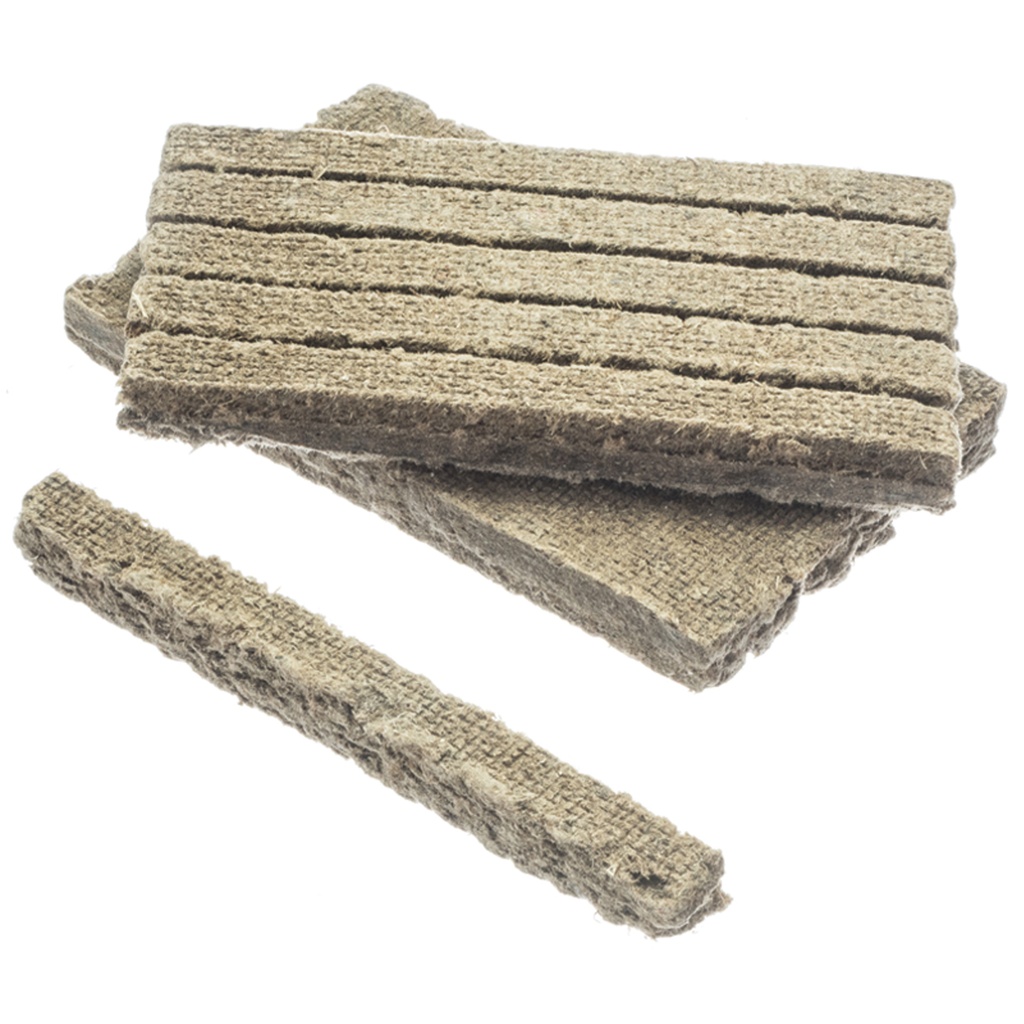
Each tinder stick is a 4-inch strip of tightly packed, fibrous material that loves flame but refuses to panic. It lights quickly, then settles into a steady, controlled burn. That means you can stop rushing, stop hunching too close, and simply build your teepee, your log cabin, your careful crosshatch of small sticks while the ember does its patient work.
What this really gives you isn’t just a flame—it’s a margin of error. Wet bark, clumsy hands, tired eyes, beginner skills… a slow-burn fire starter stick quietly covers for all of it. You still make the fire. You still feel that satisfaction. You just don’t have to fight for every second of it.
Why This Slow-Burn Fire Starter Stick Works When Your Tinder Doesn’t
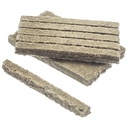
On paper, it’s simple: 4-inch sticks, about five minutes of burn time each, twelve to a pack. But the design tells a deeper story when you look closer. The natural beige blocks are scored into narrow strips, each one fibrous and slightly frayed along the edge. That texture isn’t decoration—it’s the reason your spark doesn’t just bounce off and disappear.
Those fibers grab flame fast, even when your hands are a little shaky or the wind nudges your lighter off target. Once lit, the dense core slows everything down, feeding the ember in small, consistent bites instead of letting it flash and vanish. You feel it in the way the flame doesn’t panic; it breathes.
Because the tinder sticks are water-resistant, you don’t have to baby them. They ride in a pocket, the corner of a food bag, the lid of a cook pot, or a side pouch of your pack without demanding a dry, padded shrine. Damp air, mist, and the usual trail abuse don’t bother them. When you finally crack one off the block and strike a spark, it behaves like it’s been waiting patiently, not sulking about the weather.
Non-toxic and naturally colored, they also fit the quiet ethic a lot of campers carry now—you’re looking for a reliable fire starter, not a chemical science project soaking in mystery fuel. You get the reliability without the harsh smell or the nagging question of what’s actually burning so close to your hands and food.
How a Slow-Burn Fire Starter Stick Changes Your Camp Routine
Think about the last time you started a campfire. Was it calm and methodical, or was it a scramble—shielding a flickering flame with your body, burning your fingertips, and muttering at damp tinder that just wouldn’t catch? A slow-burn fire starter stick isn’t about drama; it’s about making that whole process feel almost boring in the best possible way.
The sticks are pocket-sized and lightweight, so they slide into your everyday carry kit or camping pouch without a second thought. Twelve sticks in a pack means you have enough for multiple nights, backup attempts, and that one extra pot of coffee you suddenly decide you need at dawn. You’re not rationing every spark like it’s your last favor from the fire gods.
In real life, this looks like finishing your tent setup without glancing over your shoulder every ten seconds to make sure the fire is still alive. It looks like teaching a kid how to build their first campfire without snapping at them when they fumble, because you know the ember under that kindling has minutes—plural—to work. It looks like rolling into camp trail-weary, storm-soaked, and still knowing you can have warmth, light, and a hot meal without an argument with the woodpile.
The Quiet Comfort of Predictable Flame
There’s a subtle confidence that comes with carrying something you know will work, even when conditions are terrible. When you carry a slow-burn fire starter stick, you stop obsessing about whether you’ll get a flame and start thinking about what you’ll do with the time you get back—more conversation, more stillness, more sky.
Slow-Burn Fire Starter Stick vs. Regular Tinder: What Actually Changes
You might already carry cotton balls, dryer lint, or scraps of paper. They’re fine—until a breeze hits or the wood is wetter than you thought. Regular tinder flares bright and fast, which feels powerful in the first two seconds and useless by the tenth. You’re constantly racing the clock, throwing on kindling before the moment passes.
A slow-burn fire starter stick flips that script. Instead of flash, you get duration. Instead of hoping your one frantic burst of flame is enough, you get a steady, dependable burn that forgives hesitation and less-than-ideal fuel. If you’ve ever found yourself thinking, “If I just had a little more time,” this is that time, packed into a fibrous beige strip.
It’s not about replacing skill. It’s about partnering with it. If you’re experienced, you get an easier, more relaxed start. If you’re newer to campfire building, you get a forgiving teacher that doesn’t punish every misstep with cold hands and unlit logs.
The Sensory Shift You’ll Notice
Instead of the sharp chemical sting of some fire starters, you’ll notice the simple, earthy smell of material doing what it was made to do. You’ll see a calm, consistent flame rather than a frantic flare. You’ll hear the small sounds that matter—a damp stick starting to crackle, water hissing as it burns off—because you’re no longer locked in a desperate, silent countdown against dying sparks.
Questions People Ask Before Buying a Slow-Burn Fire Starter Stick
How long does each slow-burn fire starter stick actually burn?
Each stick burns for around five minutes, which is a lot longer than most improvised tinder. In practice, that’s enough time to light your kindling, adjust your setup, and still have a steady flame working for you—even if the wood is damp or your first arrangement isn’t perfect.
Will a slow-burn fire starter stick work if my gear is a bit wet?
These tinder sticks are water-resistant, so normal trail moisture, mist, and a less-than-dry pack won’t ruin them. While you still need a spark or flame to get them going, they’re far more forgiving than paper or cotton when the weather turns against you.
Is this slow-burn tinder safe to use around food and kids?
The sticks are non-toxic and naturally beige, so you’re not dealing with harsh-smelling chemicals or bright, suspicious dyes. That makes them a solid choice when you’re cooking over the same fire or teaching younger campers how to handle flame responsibly.
Do I still need other fire-starting gear if I carry these?
A slow-burn fire starter stick isn’t a replacement for common sense—it’s a partner. You’ll still want a lighter, matches, or a ferro rod, and some basic kindling. What changes is your stress level and your success rate, especially when conditions get cold, damp, or windy.
The Moment You Realize the Slow-Burn Fire Starter Stick Is Now Part of Your Ritual
Picture your next trip. The sky is fading from blue to charcoal, the air has that edge that says you’ll want real heat, not just a token flame. You reach into your pocket or pouch, feel the familiar edge of a tinder block, and snap off a strip without even thinking about it. A spark lands, the slow-burn fire starter stick accepts it, and a calm, steady flame begins to work on the damp wood in front of you.
You’re not rushing. You’re not pleading with the fire. You’re just building, breathing, listening as the crackle grows from whisper to conversation. In that moment, you’re not someone who “hopes” the fire will start. You’re the one everyone quietly trusts to bring it to life—because you chose gear that gives you time, forgiveness, and a little bit of calm in the middle of the elements.
That’s what owning a slow-burn fire starter stick really means: not just having flame, but owning the kind of quiet competence that turns cold, wet nights into stories worth telling.