Gridpath True-North Orienteering Compass - Clear Plastic
You’re standing at a fork in the trail, map folded in your hands, wind picking up just enough to make you doubt your sense of direction. With this orienteering compass, you drop a clear baseplate over the map, line up those red gridlines, twist the bezel, and suddenly the route snaps into focus. The needle settles, your bearing locks, and the worry you felt a minute ago turns into quiet confidence. This compass doesn’t shout; it just tells you exactly where to go.
The forest always gets quiet right before you realize you’re not exactly sure where you are. The trail thins, the sun ducks behind clouds, and that little voice pipes up: "Are you still headed the right way?" This is the moment a simple, honest orienteering compass stops being "extra gear" and becomes the one tool that settles your nerves and tells you what your phone can’t.
You unfold your map, lay the clear baseplate straight over the contour lines, and watch chaos turn into a clean red arrow and a clear decision. That’s the whole promise of a good orienteering compass: not more features, just more certainty.
When an Orienteering Compass Turns Doubt into Direction
Most people don’t buy an orienteering compass for the good days. They buy it for the moment their gut says, "This doesn’t feel right." Maybe you’re leading a hike for friends, keeping track of a scout group, or just pushing a little farther down an unfamiliar ridge. You pull the compass from your pocket by its bright yellow lanyard, set it on the map, and suddenly you’re not guessing—you’re measuring.
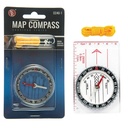
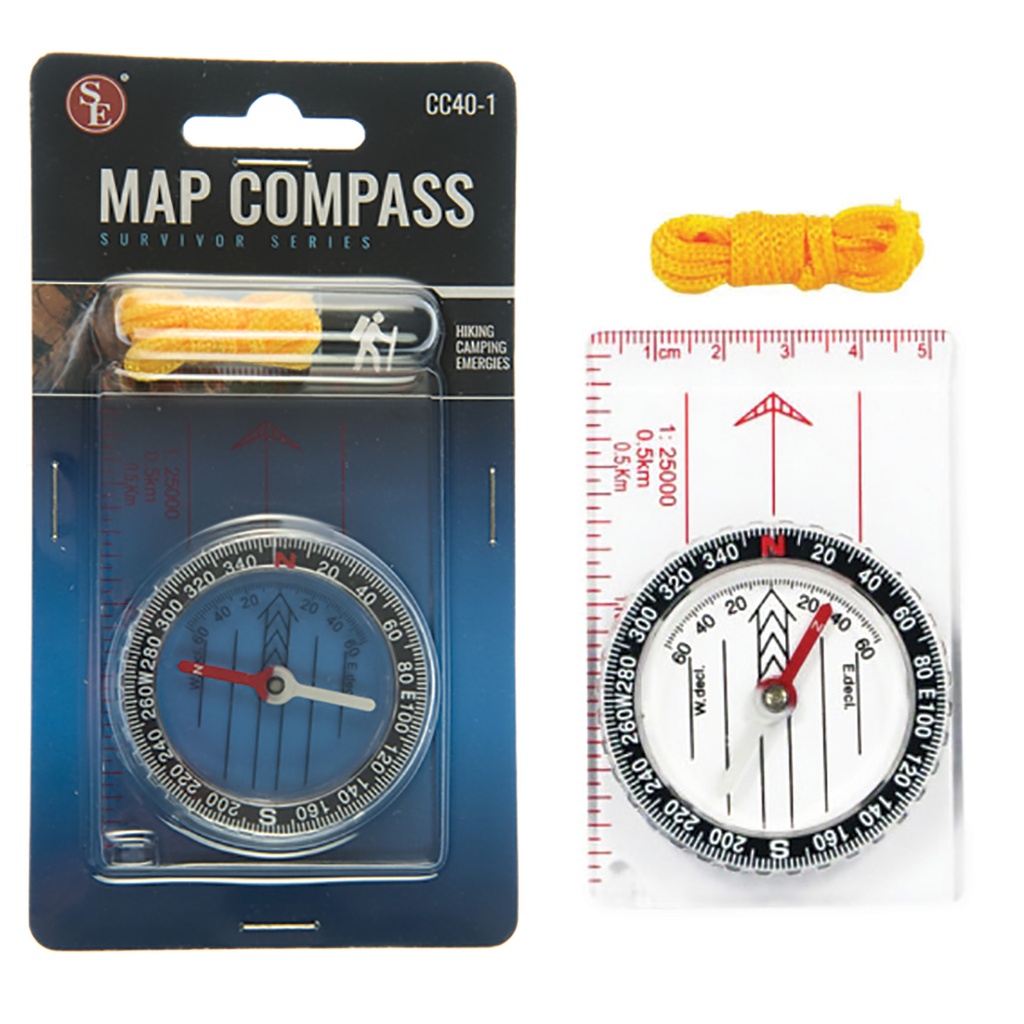
The clear plastic baseplate shows every contour line and trail junction underneath. Printed red gridlines run straight and true, making it easy to align with the map’s north-south lines. You rotate the black degree ring until the orienting arrow lines up, and the red needle settles on your bearing. North isn’t a feeling anymore; it’s a number you can read. You get to say, “We’re at 120 degrees; we stay on this heading,” and actually mean it.
How This Orienteering Compass Keeps the Map Simple
The design looks basic at first glance—and that’s the point. When you’re cold, tired, or in a hurry, you don’t need gadgetry; you need clarity. The clear baseplate of this orienteering compass lets the map stay in charge. Inch and kilometer scales run along the edges, so you can trace a trail section and translate it into real distance in seconds. The 1:25000 scale marking is right there, so you’re not guessing how the map relates to the ground under your boots.
The red direction-of-travel arrow printed on the baseplate does something quiet but powerful: once you’ve set your bearing on the bezel, you just point that arrow where you’re going and walk. No mental gymnastics, no overthinking. The red-and-white needle snaps to magnetic north, the white dial lines keep everything squared, and your eyes move naturally from map, to compass, to landscape. You’re not "using gear" anymore—you’re just navigating.
Carrying an Orienteering Compass You’ll Actually Use
A tool only matters if you keep it on you. This orienteering compass is pocket-sized and light enough to disappear into your everyday carry or daypack, but visible enough that you don’t lose it at the bottom of a dark pouch. That bright yellow lanyard isn’t an accident—it catches your eye when you need it, and it’s big enough to grab with cold or gloved hands.
Clipped to a pack strap, looped through a belt, or tucked into a map case, the compass stays ready without feeling precious. You don’t baby it. Clear plastic shrugs off dirt, humidity, and the occasional drop on a rock. When you’re packing for a weekend trip, a group hike, or an emergency go-bag, this becomes the one navigation tool you toss in every time because it takes no effort to carry and a lot of worry off your mind.
When a Simple Orienteering Compass Beats Every App
There’s a reason experienced hikers, search-and-rescue volunteers, and outdoor instructors still carry a baseplate orienteering compass even when their phones are fully charged. Batteries die. Signals drop. Screens crack. But a magnetic needle quietly doing its job in a clear housing? That just keeps working.
Picture a cloudy evening on a tree-covered slope. GPS jumps from one location to another like it’s not sure either. Your phone claims one direction; your eyes say another. You lay the compass on the map, line up the grid with the printed north, and the truth appears in front of you in the clean swing of a red needle. In that moment, the compass becomes more than gear—it’s a calm second opinion you can trust.
The Feel of Real-World Reliability
There’s a tactile reassurance in how this compass behaves. The bezel turns with just enough resistance that it won’t spin by accident in your pocket. The needle doesn’t wander nervously; it swings, hesitates, and settles. You feel that small pause as it finds north, and you know it’s telling you something real about the world around you, not a processed guess.
Questions People Ask Before Buying an Orienteering Compass
"Will this orienteering compass actually help if I’m new to navigation?"
Yes. A baseplate orienteering compass like this is one of the easiest ways to learn real navigation. The clear baseplate, printed gridlines, and simple direction-of-travel arrow make it obvious how to line up your map and follow a bearing, even if you’re just starting.
"What’s the difference between this and a cheap keychain compass?"
A keychain trinket points roughly north. This orienteering compass lets you read an exact bearing, align to map gridlines, measure distance in inches or kilometers, and transfer that information to the terrain in front of you. It’s the difference between guessing a direction and navigating an actual route.
"Is an orienteering compass worth carrying if I already use GPS?"
It is—if you care what happens when GPS fails. An orienteering compass doesn’t depend on batteries, signal, or software. It works in deep valleys, dense forests, and bad weather. Many hikers use GPS for speed but rely on a map and compass for confidence and backup.
"Can this orienteering compass handle rain and rough use?"
The clear plastic baseplate and sealed compass housing are designed for outdoor use. Rain, humidity, and everyday knocks in a pack won’t affect its ability to point north or let you read your map clearly. It’s a practical field tool, not a delicate collectible.
"Is this orienteering compass good for kids or group kits?"
Yes. The clear layout, easy-to-read markings, and bright yellow lanyard make it ideal for teaching navigation or building group gear kits. Students can see the map underneath, trace gridlines, and quickly learn how direction and distance work together.
The Moment This Compass Becomes Part of You
There’s a quiet shift that happens the first time you trust this compass over your hunch—and it proves you right. You follow the bearing, crest a small rise, and spot the trail sign you weren’t sure you’d see. You feel a little taller, a little more capable, like the kind of person who doesn’t panic when the path goes vague.
Slip this orienteering compass back into your pocket or let it hang from its yellow cord against your pack. From that moment on, you’re not just someone who hikes or keeps an emergency kit. You’re someone who can take a map, a needle, and a patch of quiet woods—and find your way through.